two bars, one tiny screen.
A small Flipper Zero side quest: putting Codex usage limits on a dedicated display.
archive date · Date of the original Telegram post and photo. · text updated 2026-10-14
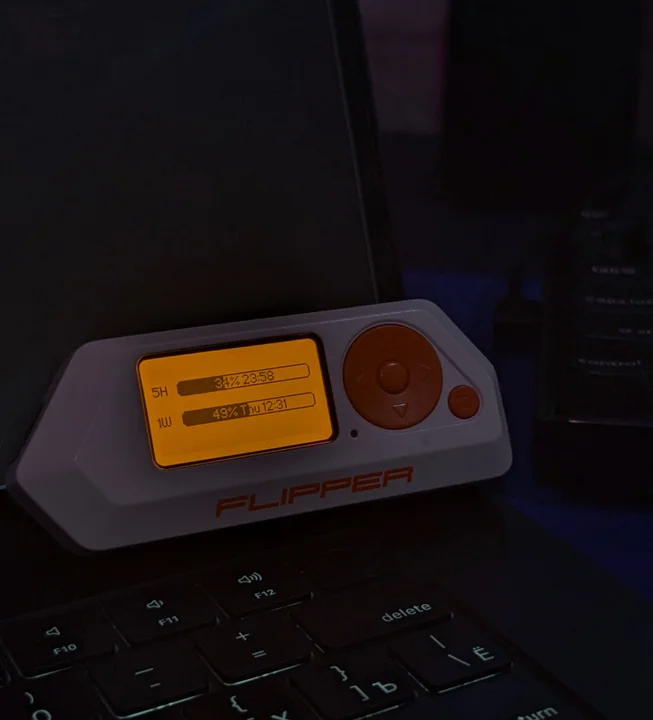
I made a small project called Flipper Codex Monitor. The premise fits on its intended screen: two bars for Codex usage limits, with labels showing when they reset.
Putting two percentages on a separate piece of hardware is a fairly elaborate way to look at two percentages. That is part of the charm.
On May 13, 2026, I posted a photo in my Telegram blog with a short caption: “Found a new use for the Flipper.” This was that use.
A small job for each side
The display covers the five-hour and weekly usage windows. A Rust backend on the computer reads the limits through the local Codex CLI app-server, formats reset times in the computer’s timezone, and sends a compact packet to the Flipper over Bluetooth Low Energy.
The packet is 21 bytes: percentages, reset labels, and a status byte. The Flipper does not need to parse JSON or work out timezones.
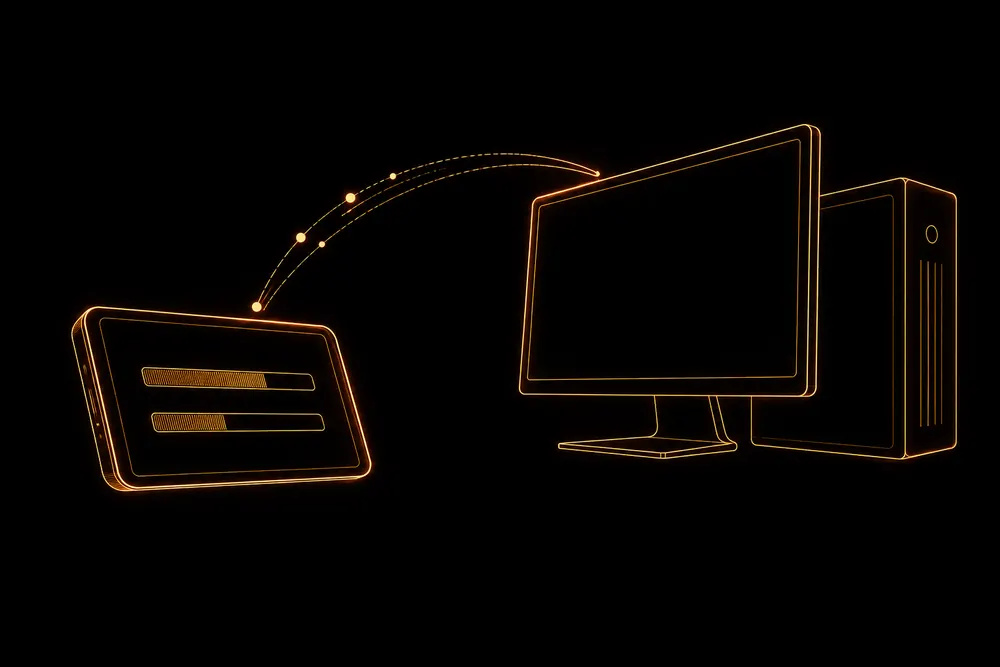
The backend keeps the app-server process alive and is designed to transmit once per second. Most of the machinery lives on the computer; the Flipper’s job is to draw two bars.
Some inherited plumbing
This project builds on TheSainEyereg’s Flipper PC Monitor app and Rust backend, with Willy-JL’s BLE serial helper. The little monitor already had useful plumbing; I gave it a different thing to monitor.
The Codex version has a narrower job: account-limit information, with credentials staying on the computer. The roadmap keeps the same focus. It lists reconnect reliability, easier installation, and more tests among the next steps.
For now: two bars on an orange screen. The Flipper has a new job.